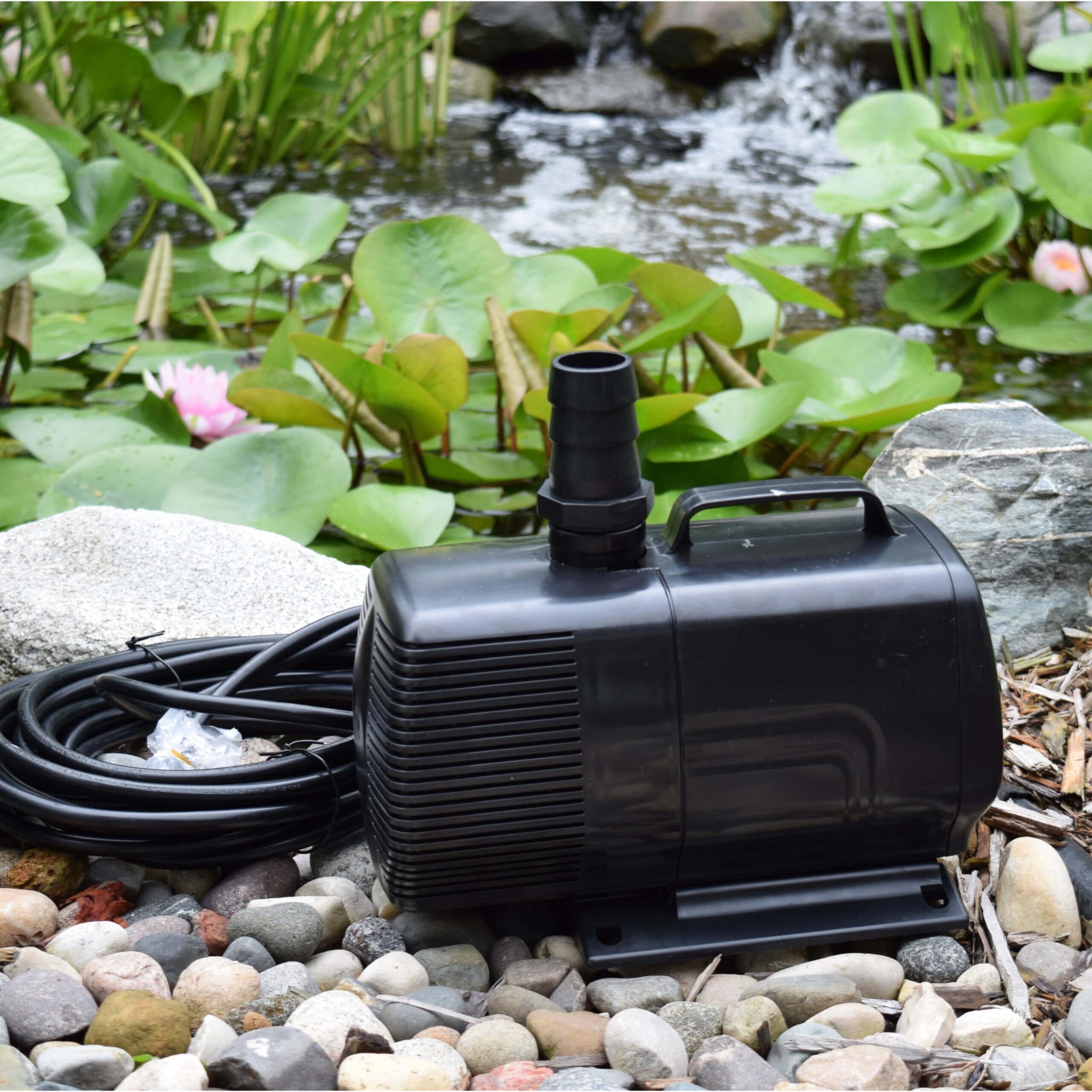
Introduction to Pond Pumps
A pond may look peaceful on the surface, but beneath that calm water is a busy ecosystem that depends on movement to survive. That movement doesn’t happen by magic—it happens because of pond pump. Whether you have a small backyard water garden or a large koi pond, a pond pump is the unseen engine that keeps everything alive and thriving.
Many pond owners underestimate how important a pump really is. Without proper circulation, water becomes stagnant, oxygen levels drop, algae takes over, and fish begin to struggle. A good pond pump prevents all of that by continuously moving water, supporting filtration systems, and powering waterfalls or fountains that add beauty and sound to your outdoor space.
In this guide, we’ll break down everything you need to know about pond pumps in simple, practical language. From understanding how they work to choosing the right size, maintaining them properly, and avoiding common mistakes—this article covers it all. If your pond is the heart of your garden, then the pump is its heartbeat.
What Are Pond Pumps and How Do They Work?
At their core, pond pumps are devices designed to move water from one place to another. They pull water in through an intake, push it through an impeller, and send it back out through a hose or pipe. This continuous movement keeps water circulating throughout the pond.
The real magic happens when that water passes through filters, UV clarifiers, waterfalls, or fountains. As water moves, it picks up debris, waste, and excess nutrients, which are then filtered out. At the same time, circulation helps distribute oxygen evenly throughout the pond.
Think of a pond pump like your heart. Your heart doesn’t just move blood—it delivers oxygen and nutrients while removing waste. In the same way, a pond pump ensures that every part of the pond gets fresh, oxygen-rich water while preventing harmful buildup.
Why Pond Pumps Are Crucial for a Healthy Pond
Without a pump, pond water becomes stagnant, especially during warm weather. Stagnant water is a breeding ground for algae, mosquitoes, and harmful bacteria. Fish can quickly become stressed or even die due to low oxygen levels.
Pond pumps solve these problems by:
- Increasing oxygen levels
- Preventing algae overgrowth
- Supporting beneficial bacteria
- Keeping water clear and fresh
For fish ponds, pumps are absolutely essential. Fish produce waste, and without proper circulation, that waste accumulates and releases toxins like ammonia. Plants also benefit from moving water, as it helps distribute nutrients evenly.
In short, if you want a pond that looks good and stays healthy, a pump isn’t optional—it’s mandatory.
Different Types of Pond Pumps Explained
Not all pond pumps are created equal. There are several types, each designed for specific purposes and pond setups.
- Submersible Pond Pumps: Installed directly underwater
- External Pond Pumps: Placed outside the pond
- Solar Pond Pumps: Powered by sunlight
Each type has its strengths and limitations, and choosing the right one depends on your pond size, budget, and goals.
Submersible Pond Pumps – Features and Benefits
Submersible pond pumps are the most popular choice for home ponds. As the name suggests, they sit directly in the water, usually at the bottom of the pond.
These pumps are easy to install—simply place them in the pond, attach the hose, and plug them in. They’re quiet, efficient, and ideal for small to medium-sized ponds.
Advantages include:
- Simple installation
- Quiet operation
- Affordable pricing
Disadvantages include:
- Harder to access for maintenance
- Shorter lifespan compared to external pumps
For beginners, submersible pond pumps are often the best starting point.
External Pond Pumps – Power and Performance
External pond pumps sit outside the pond and draw water through a pipe or bottom drain. These pumps are typically more powerful and energy-efficient than submersible models.
They’re ideal for large ponds, koi ponds, and systems with complex filtration setups. Because they’re not submerged, they’re easier to maintain and often last longer.
However, installation is more complex and may require professional help. External pumps also tend to be more expensive upfront, but their efficiency often pays off over time.
Solar Pond Pumps – Eco-Friendly Solutions
Solar pond pumps are powered by sunlight and are perfect for small decorative ponds, fountains, or bird baths. They’re environmentally friendly and cost nothing to run once installed.
That said, solar pumps have limitations. Their performance depends on sunlight, meaning flow rates can drop on cloudy days or stop entirely at night unless a battery backup is included.
They’re best viewed as aesthetic additions rather than full circulation solutions for fish ponds.
Choosing the Right Pond Pump for Your Pond
Choosing the right pump starts with understanding your pond’s size and purpose. A general rule of thumb is that your pump should circulate the entire pond volume at least once per hour.
For example:
- A 1,000-gallon pond needs a pump rated at 1,000 GPH (gallons per hour)
You also need to factor in head height—the vertical distance the water needs to travel. Waterfalls, filters, and bends in piping all reduce flow, so always choose a pump slightly more powerful than your minimum requirement.
Understanding Flow Rate and Head Height
Flow rate (GPH) tells you how much water the pump can move in an hour. Head height refers to how high the pump can push water vertically.
The higher the lift, the lower the flow rate becomes. That’s why pump specifications always include a flow chart. Matching these numbers correctly ensures optimal performance and avoids overworking the pump.
Energy Efficiency and Running Costs
Pond pumps often run 24/7, so energy efficiency matters. Modern pumps are designed to use less electricity while delivering strong performance.
Energy-efficient pumps may cost more initially, but they can save hundreds of dollars in electricity over their lifespan. Always check wattage and efficiency ratings before buying.
Pond Pumps for Waterfalls and Fountains
Waterfalls and fountains aren’t just decorative—they also improve oxygenation. These features require higher flow rates, depending on width and height.
A general rule is:
- 100 GPH per inch of waterfall width
Choosing the right pump ensures strong flow without splashing or water loss.
Pond Pumps for Fish Ponds and Koi Ponds
Fish ponds demand reliable pumps. Koi, in particular, need high oxygen levels and excellent water quality.
Pond pumps for fish ponds should:
- Run continuously
- Support filtration systems
- Be fish-safe and clog-resistant
Never compromise on pump quality when fish are involved.
Installation Tips for Pond Pumps
- Place pumps on a raised surface to avoid sludge intake
- Use proper hose sizes to reduce resistance
- Secure cables safely away from foot traffic
Correct installation prevents performance issues and extends pump life.
Maintenance and Cleaning of Pond Pumps
Regular cleaning is essential. Leaves, algae, and debris can clog intakes and reduce flow.
Most pumps need cleaning every 4–6 weeks, depending on pond conditions. A clean pump runs cooler, quieter, and longer.
Common Pond Pump Problems and Solutions
Common issues include:
- Reduced flow → clogged intake
- Noise → debris in impeller
- Pump failure → overheating or wear
Most problems are preventable with routine maintenance.
How Pond Pumps Compare to Aquarium Pumps
Aquarium pumps are not designed for outdoor use or large volumes of water. Pond pumps are stronger, weather-resistant, and built for continuous operation.
Using an aquarium pump in a pond is a recipe for failure.
Pros and Cons of Using Pond Pumps
Pros
- Healthy water circulation
- Clearer water
- Better oxygen levels
Cons
- Electricity costs
- Regular maintenance required
How Long Do Pond Pumps Last?
Most quality pond pumps last 3–7 years. Proper cleaning, correct sizing, and energy-efficient operation can extend lifespan significantly.
Final Verdict on Pond Pumps
Pond pumps are the backbone of any successful pond. Whether you want crystal-clear water, healthy fish, or stunning water features, a reliable pump makes it all possible. Investing in the right pump pays off in beauty, balance, and peace of mind.
Conclusion
A pond without a pump is like a body without circulation—it simply can’t thrive. Pond pumps keep water moving, oxygen flowing, and ecosystems balanced. By choosing the right pump and maintaining it properly, you ensure your pond remains a vibrant, living feature of your outdoor space for years to come.